|
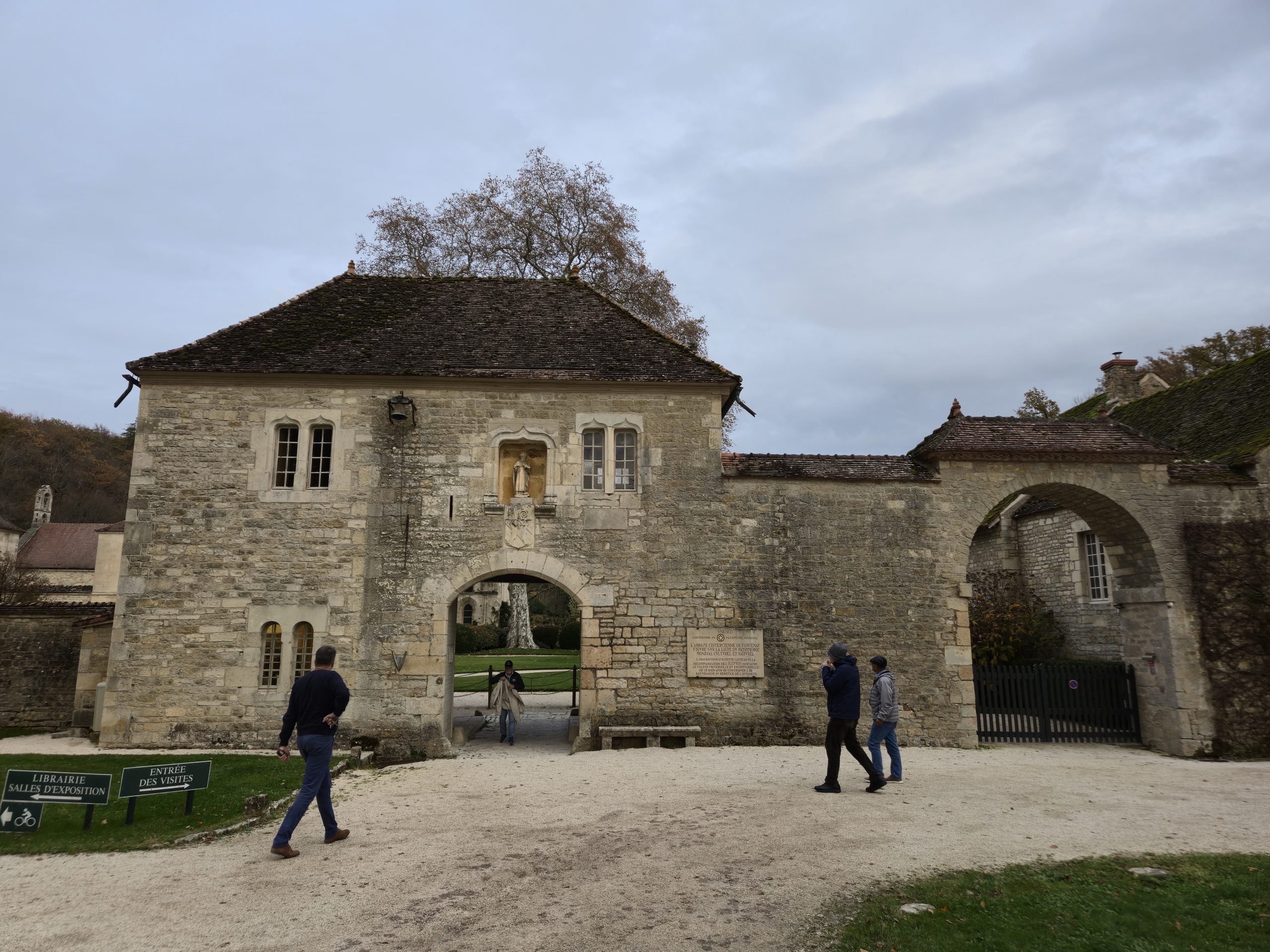
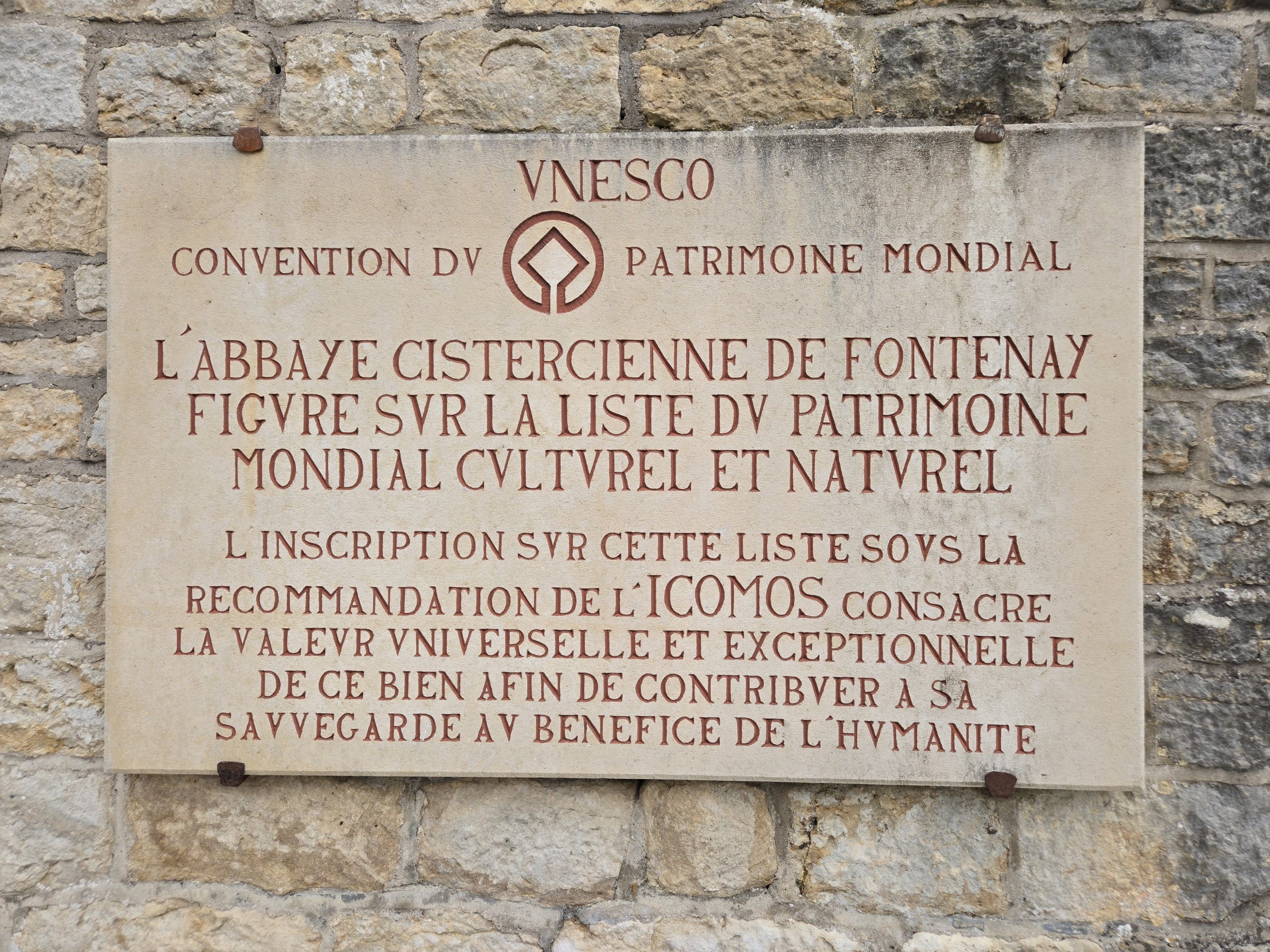
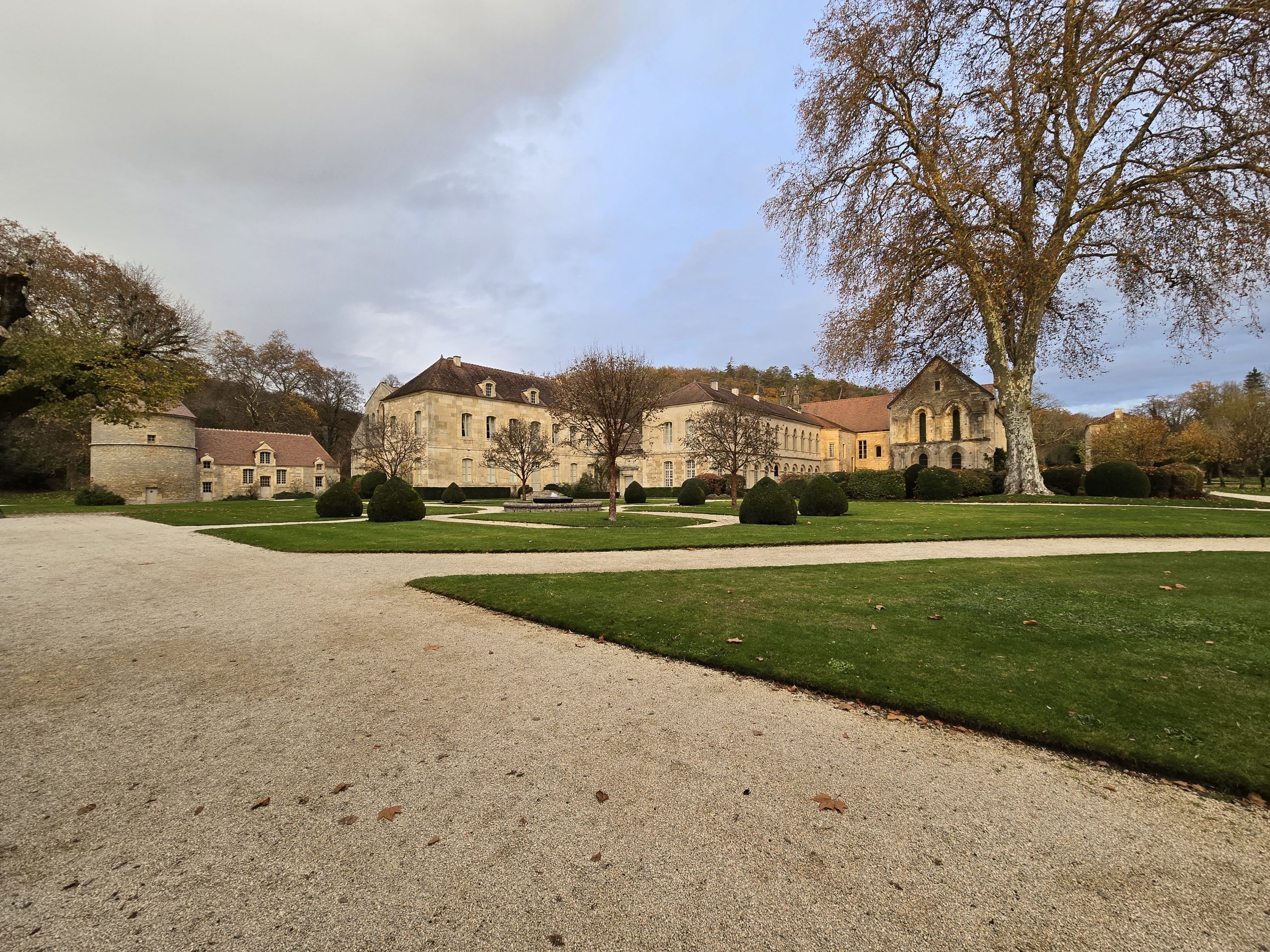
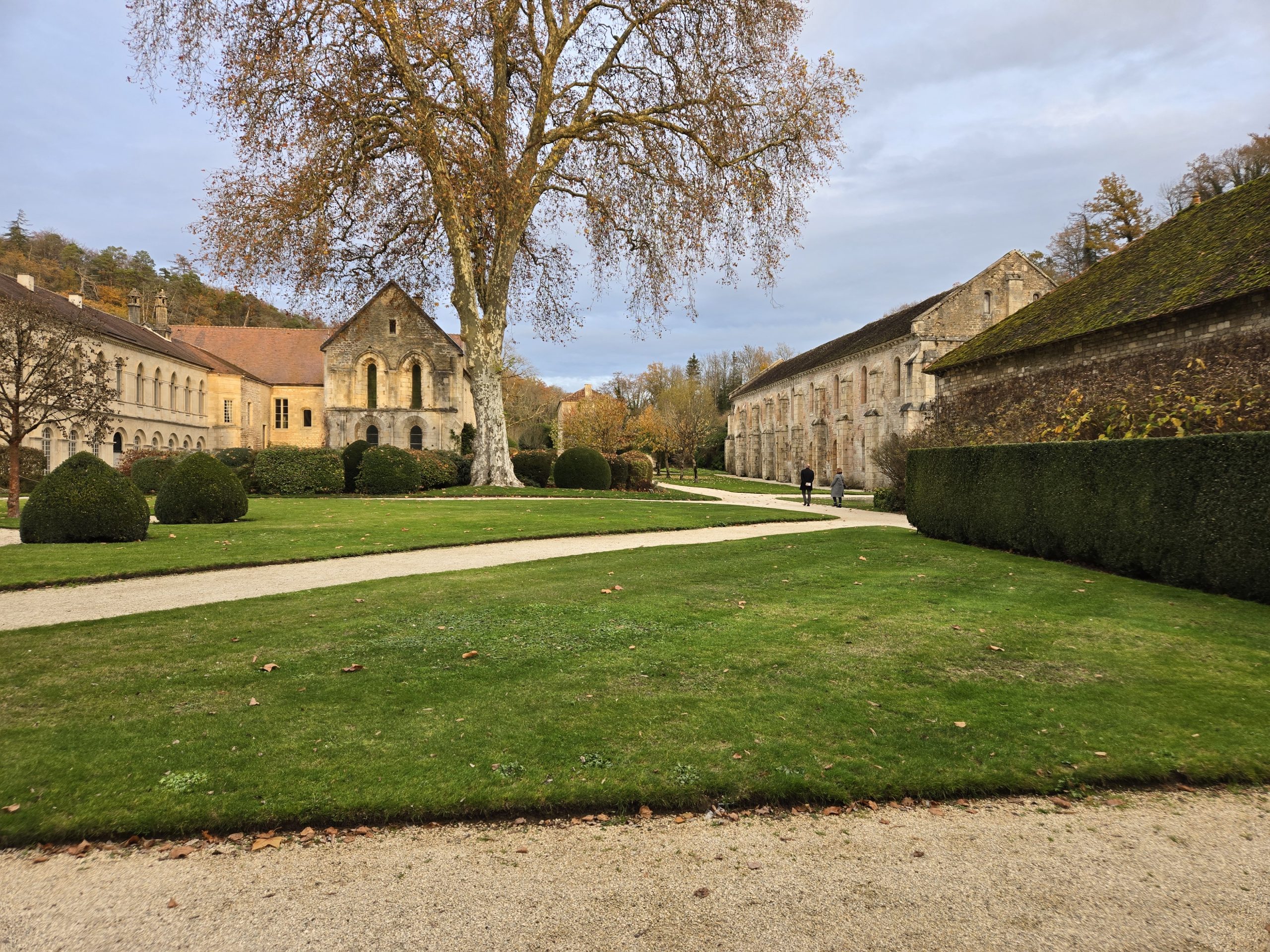
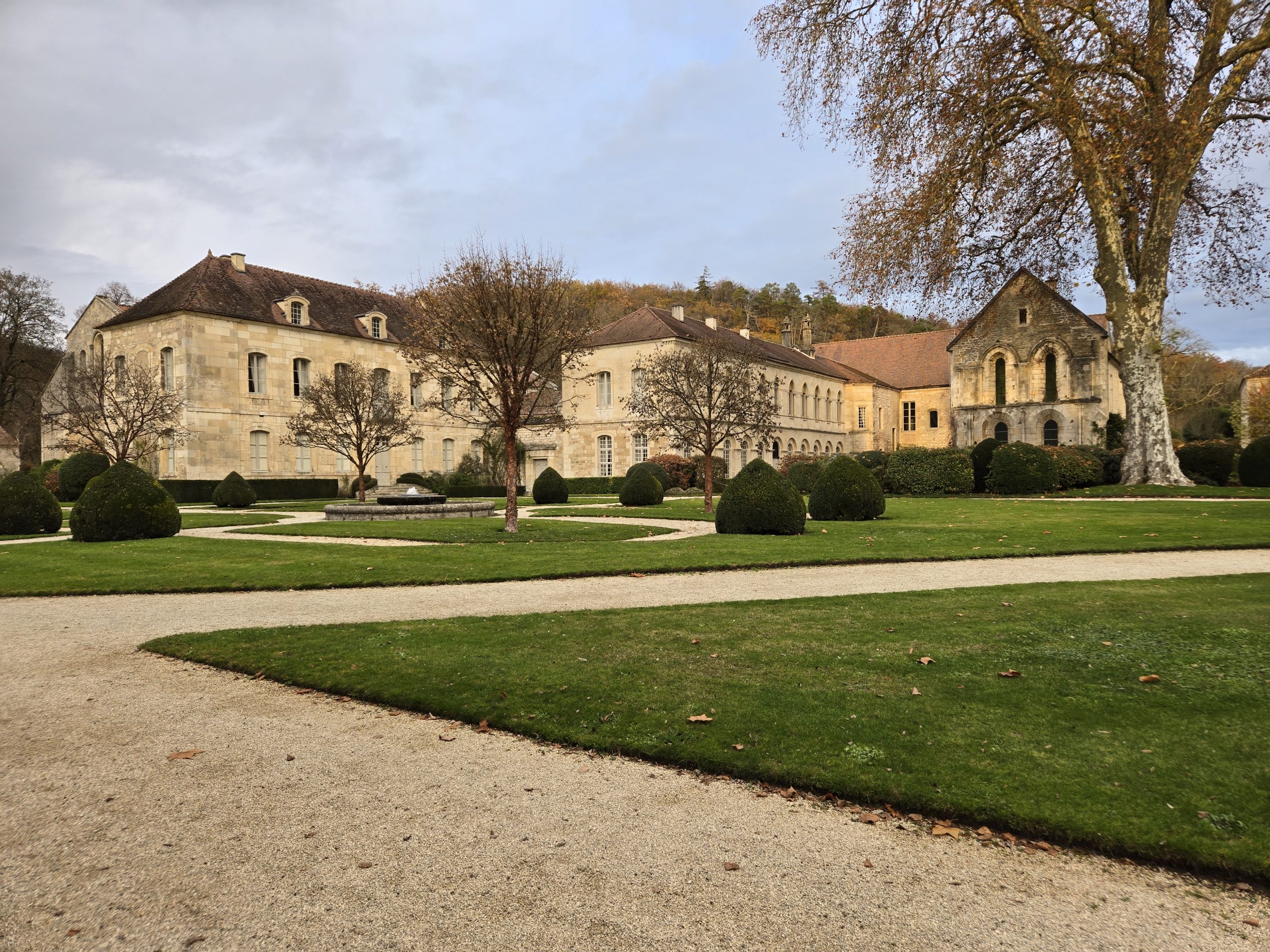
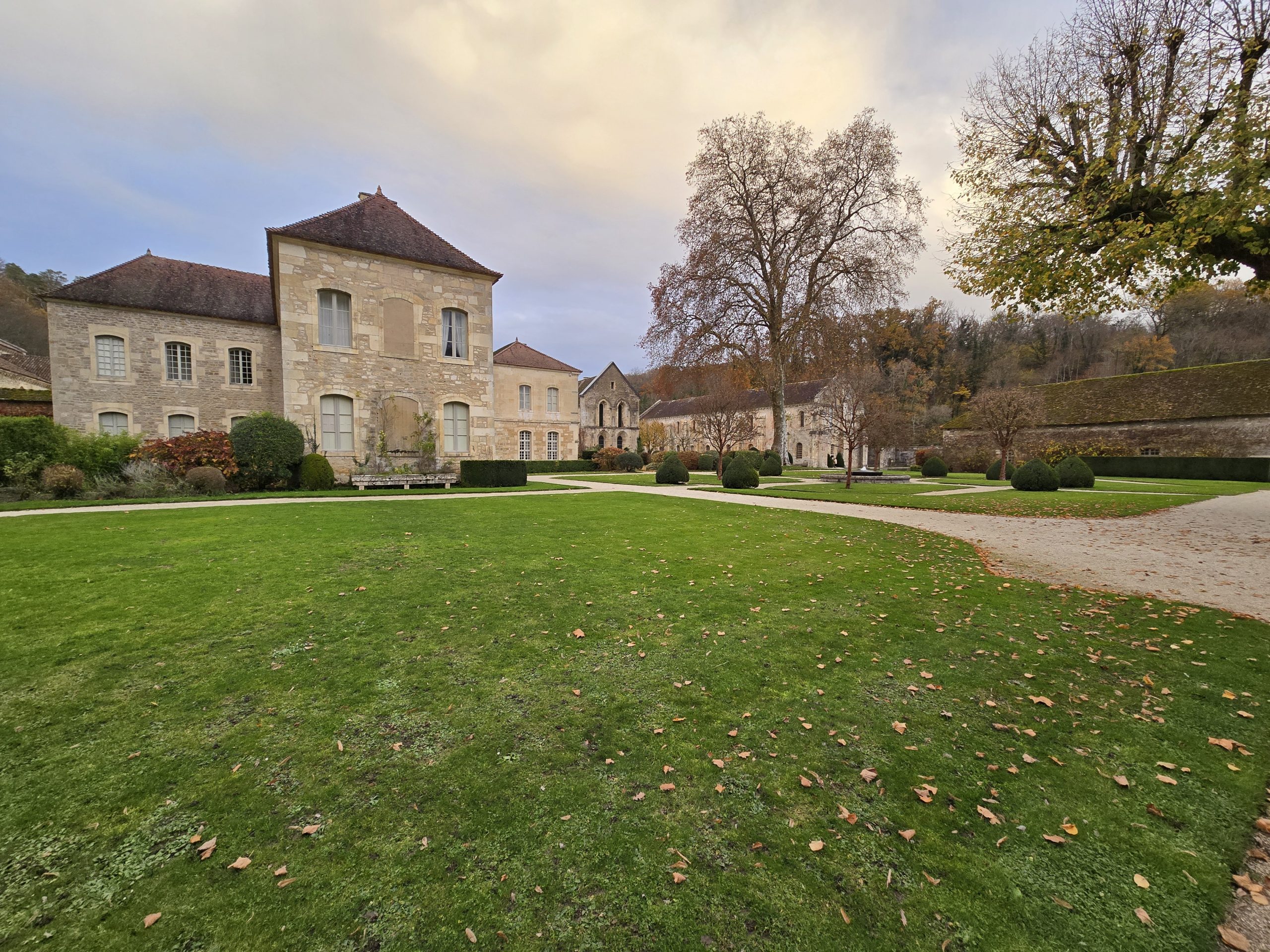
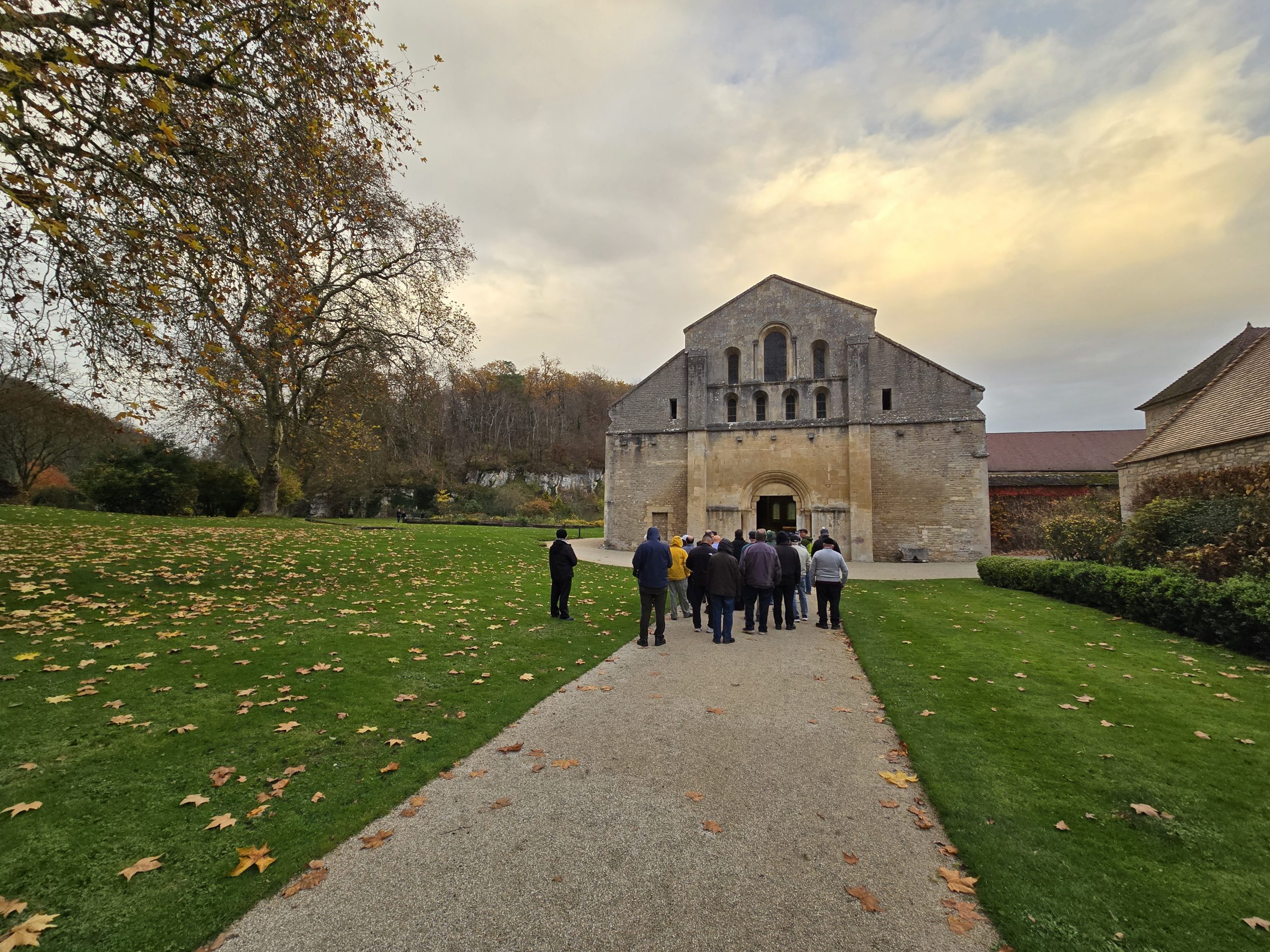
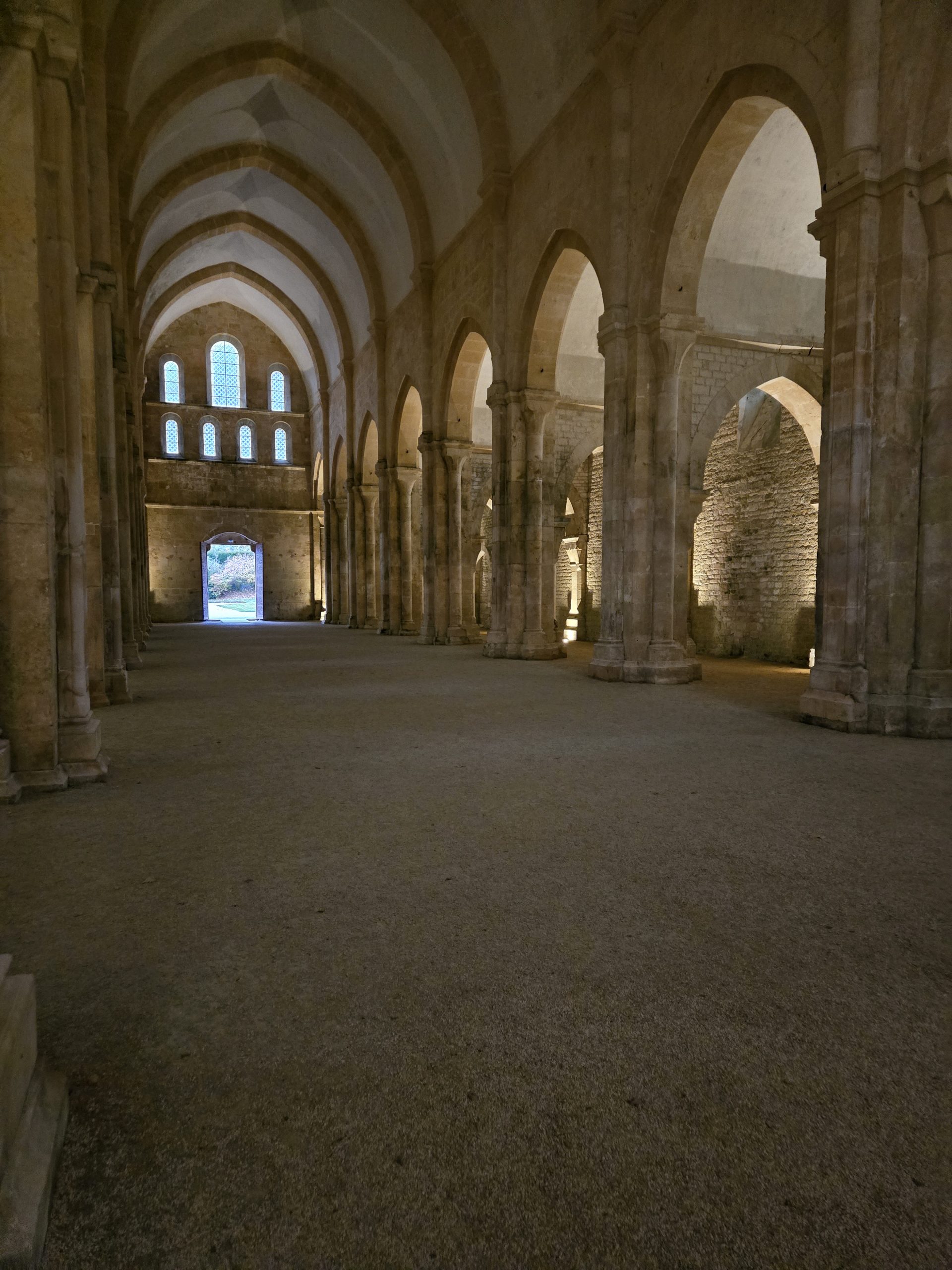
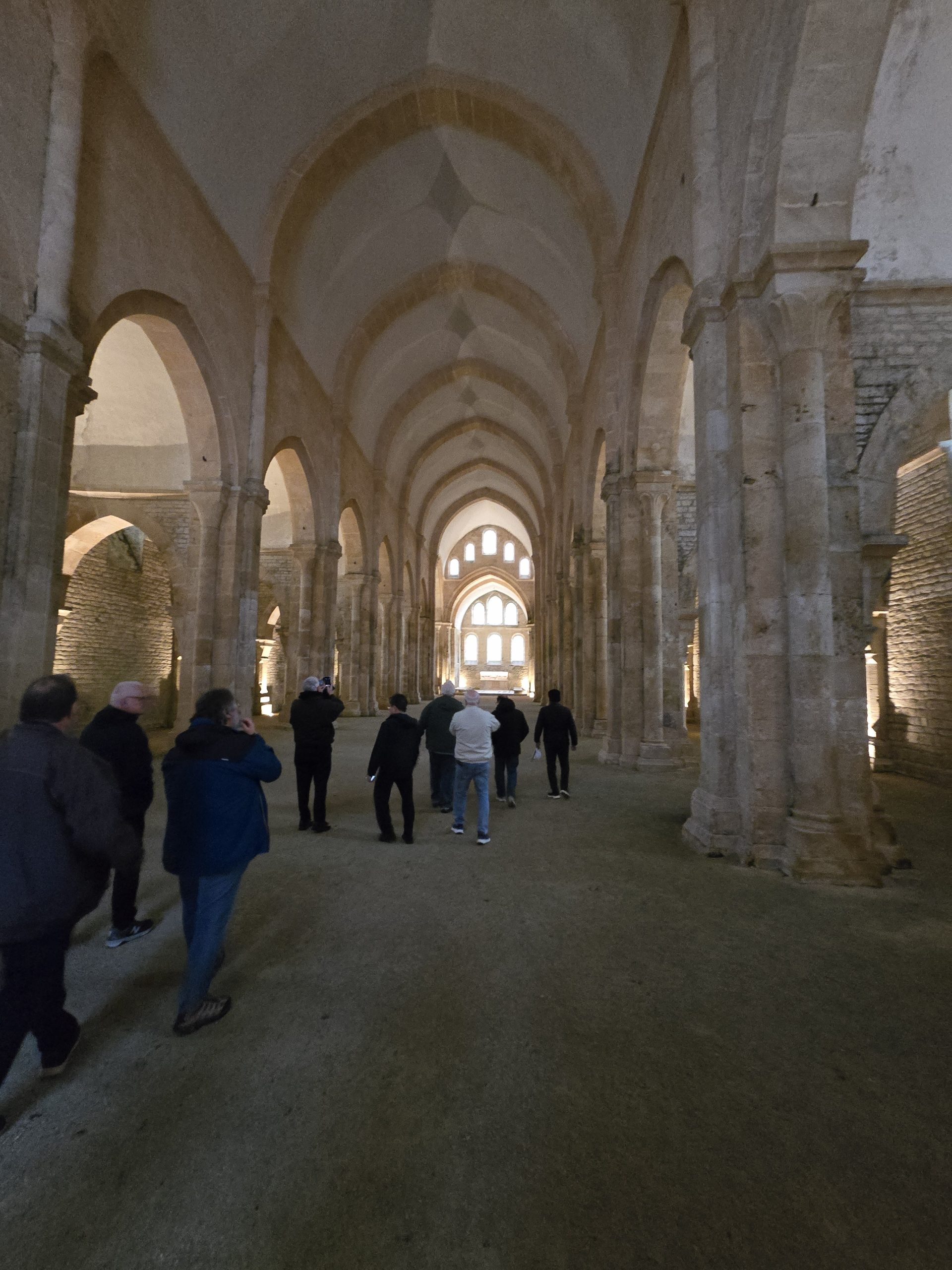
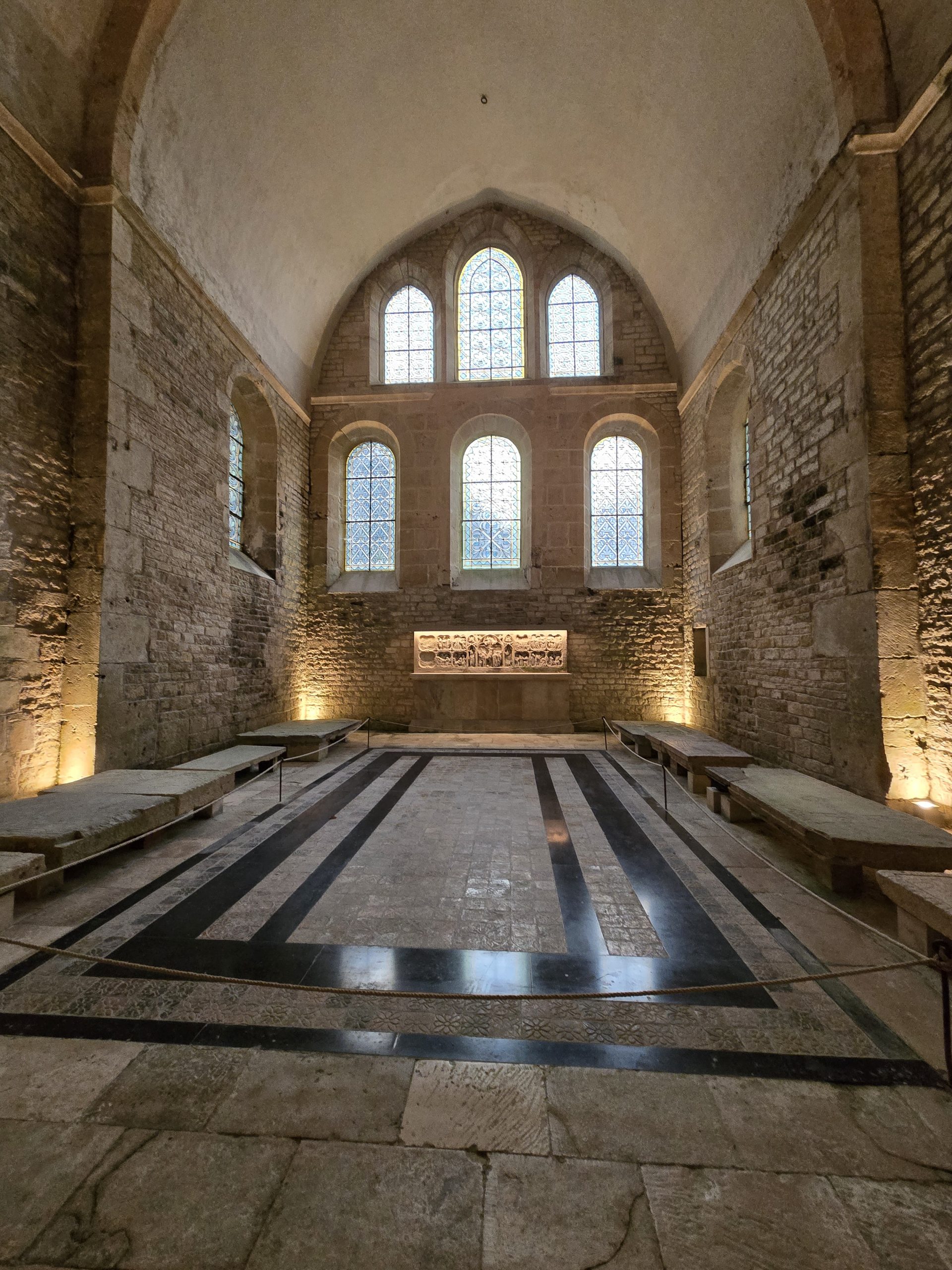
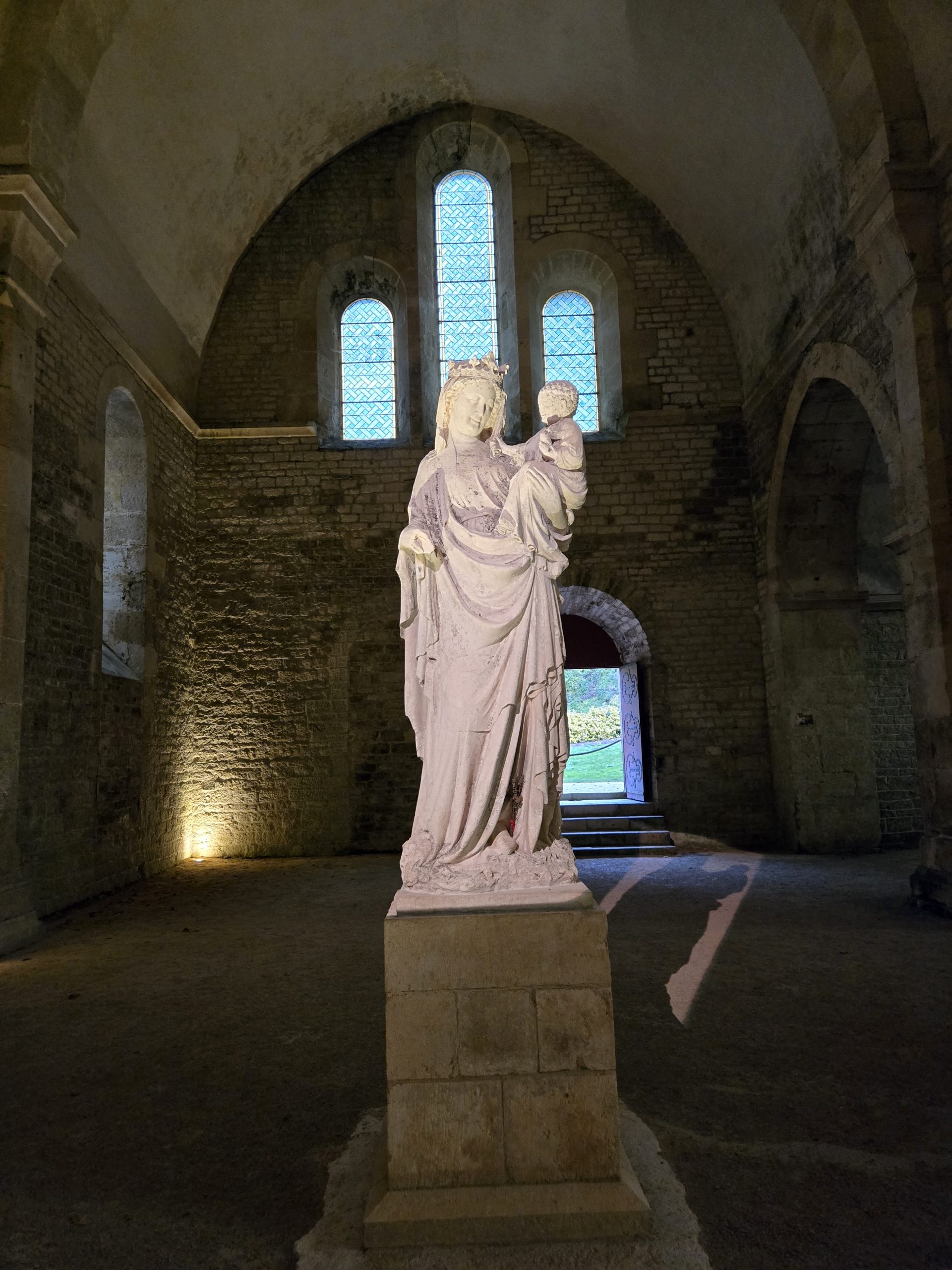
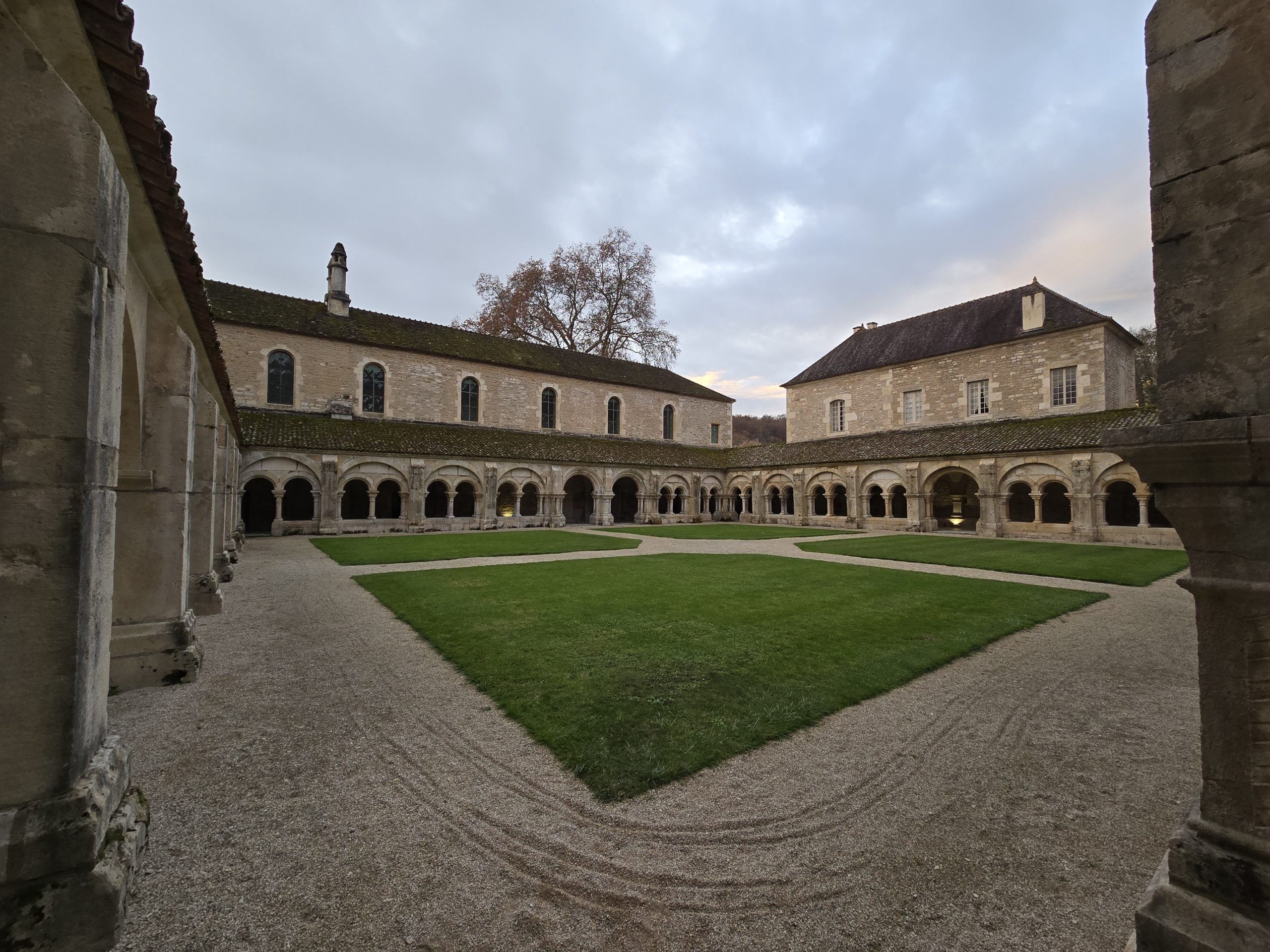
Following lunch, we made our way to The Abbey of Fontenay. The Abbey was founded by St. Bernard in 1118, and is one of the earliest Cistercian abbeys of the Cistercian order – which was founded in 1098 in Citeaux, France.
The Cistercians wished to reform monastic life and to apply correctly the rule of St. Benedict – who lived in the 6th century. His rule called for a life of poverty, based on self-sufficiency and solitude. Before building Fontenay, the monks carried out considerable works to clear and dry the land flooded by swamps. Indeed, Fontenay’s Latin name, “Fontanetum,” means: “which swims into springs.”
The abbey was very wealthy from the 12th to the 15th century, with a community of more than 200 monks. The monks led a life of utter self-sufficiency, and owned a large estate which they cultivated, farming livestock and creating an innovative forge. The Abbey went into decline in the 16th century, as the commendam system was introduced; instead of the Abbot being elected by the monks, the abbot was now appointed by the King.
At the time of the French Revolution, there were about 12 monks left in Fontenay. Sold as a state property in 1790, the Abbey was bought up in 1820 by Elie de Montgolfier – the descendant of the inventors of the hot air balloon; he transformed the property into a paper-mill.
In 1906, Edouard Aynard, a rich banker of Lyon, who was also a famous art collector, bought the Abbey back from his father-in-law, Raymond de Montgolfier. He undertook the massive restoration works which aimed at “extracting Fontenay from its industrial coating … by demolishing all the building of the paper-mill that had disfigured the site, and restoring Fontenay to reflect its Cistercian roots.
To view the Fontenay brochure, click here. |